Measure two things before you look at any product: the width of the opening, and the width of the wooden trim at the top corner if there is any. Those two numbers decide everything else.
If you have wooden trim between 1/2 and 1 inch
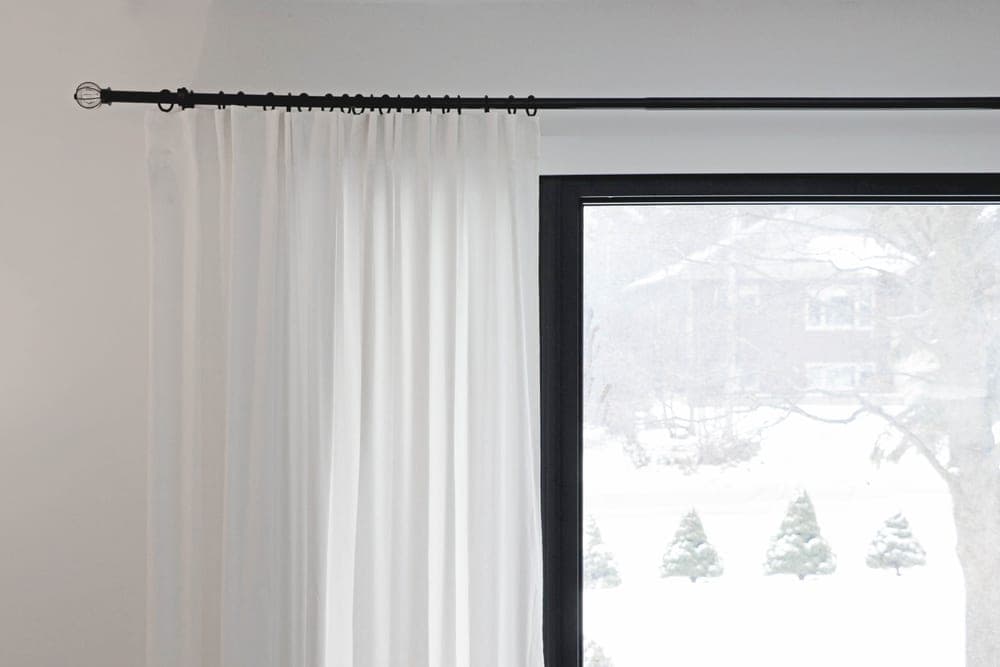
Bracket systems become available, and they are the highest-capacity damage-free option for a window: 20 lb published, enough for lined and blackout drapes, with the curtain hanging outside the opening where it actually blocks light. They tap in with a hammer and lift off at move-out. The manufacturer is explicit about what they will not work on -- hardwoods like oak, PVC, crown molding, MDF and metal trim -- which is more honesty than this category usually offers.
If you have no trim, or the wrong kind
Tension is the answer, and the rating varies enormously by model. One spring tension rod we cover publishes 22 lb; a twist-and-fit publishes 4 lb at 28-48 inches and 7 lb at 48-84; a light multipack publishes 2.33 lb. Read the figure for the exact model rather than the category, and remember the geometric constraint: a tension rod lives inside the reveal, so your curtain cannot overhang the window and you lose some light control at the edges. The load figures are collected in how much weight a tension rod holds.
If you are hanging blinds rather than curtains
No-drill blind options exist and mount inside the frame, and the trade-off against drilled blinds is mostly about how much window you lose and how well the fit holds over time. No-drill vs drilled blinds lays out both sides.
The practical method -- what to buy, in what order, and how to hang the curtain once you have it -- is in how to hang curtains without drilling. Tension products turn up in other rooms too: the same mechanism runs a shower caddy and a closet rod in apartment closet organization, and the rods themselves are ranked from 2.33 lb to 22 lb in best tension rods, by load.
Blinds are the other half of this hub. We would not rank them until we could cite published figures, and one range now publishes trim-to-fit ranges per width, a 1-1/4 inch minimum mount depth and a light-blocking percentage -- best no-drill blinds has the ranked picks, and best no-drill blackout blinds takes apart why a shade publishing 99 percent still does not make a rental bedroom dark on its own. Two products in this hub get a page to themselves: the Kwik-Hang bracket review, because its 20 lb figure comes with a list of window trim it will not work on, and the Redi Shade review, because it is the one shade range that publishes the numbers this category usually hides.
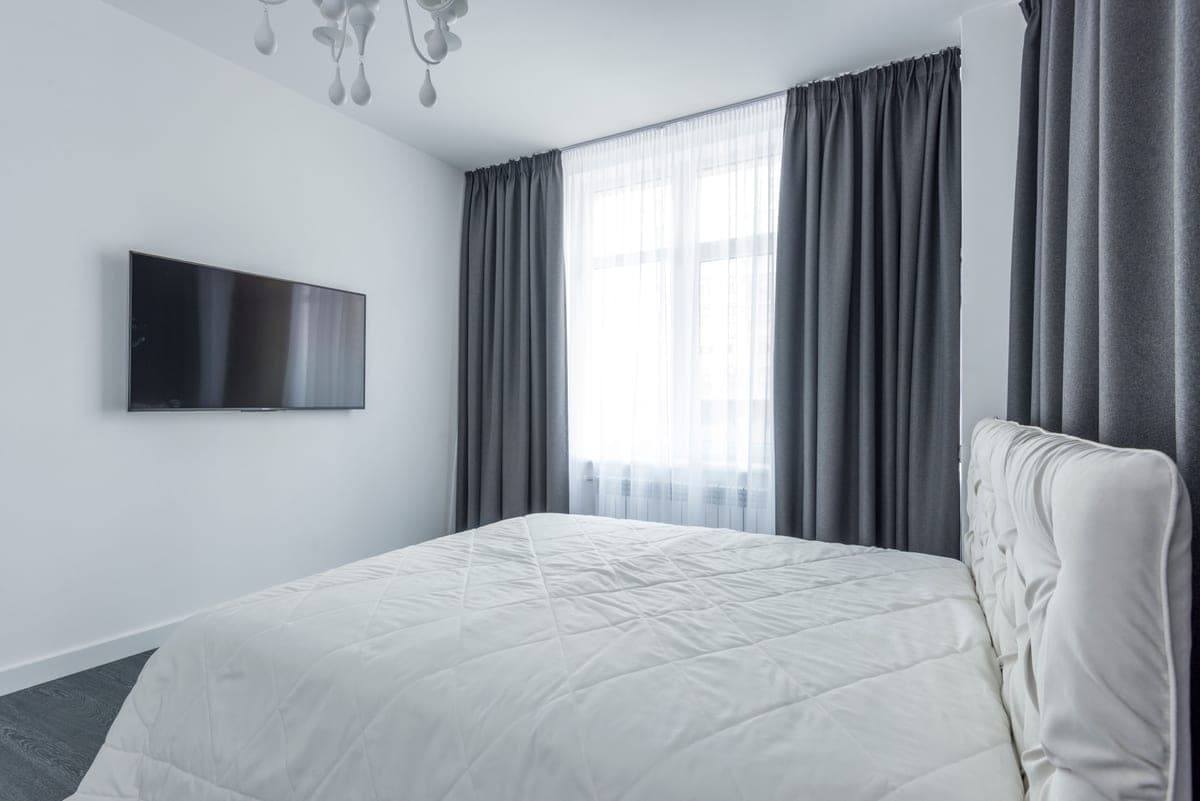
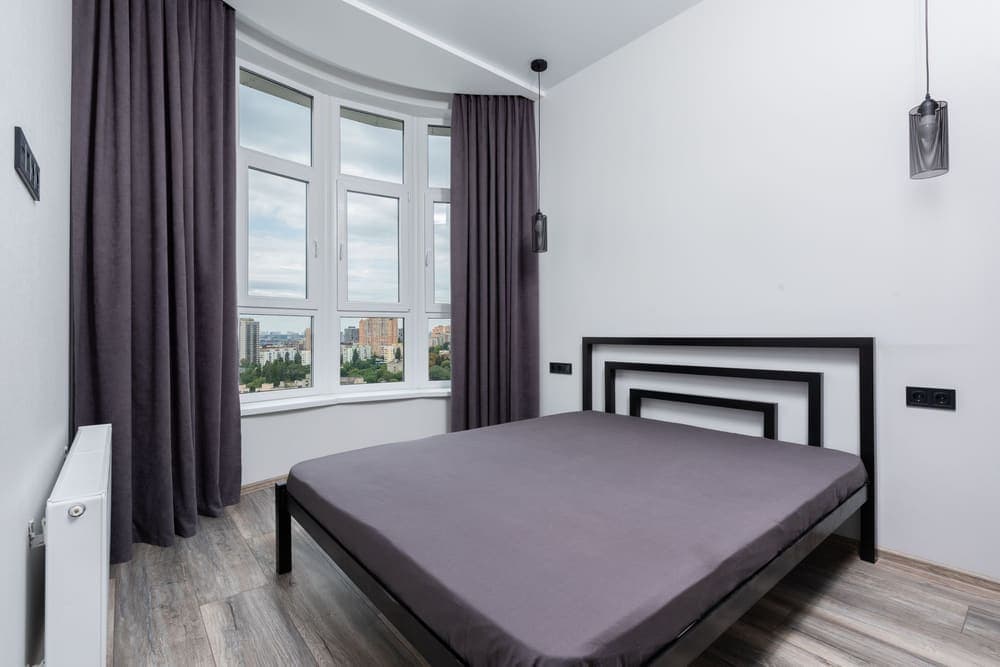
Once the rod is sorted, the panel is the other half of the job. Best blackout curtains for renters ranks five panels on what they publish -- one states 85% to 99% light blocking while its own stablemate claims 100% and publishes no figure at all -- and on the header dimension that decides which no-drill rod they will actually fit.
And the one window treatment that needs no hardware at all: best window privacy film ranks six static-cling films on published UV and light figures -- and on what each does after dark, because one-way mirror film reverses at dusk and its own listing calls the benefit daytime privacy.